When severe weather approaches, the condition of your home can make a big difference in how well it holds up against strong winds, heavy rain, and flying debris. Unfortunately, many homeowners do not realize their property has vulnerabilities until a storm causes a leak, breaks a window, or damages part of the structure. Recognizing potential trouble spots ahead of time can help you address small issues before they turn into major restoration projects. Today, we at Disaster Services would like to list common signs your home is vulnerable to storm damage.
Worn Roofing & Loose Shingles
Your roof takes the brunt of many weather-related hazards, making it one of the most important areas to check before storm season. Missing shingles, cracked tiles, loose flashing, and deteriorating roofing materials can leave openings where rainwater may enter. Strong winds can also lift already-loose shingles, exposing the layers underneath to additional damage. Pay attention to ceiling stains, damp attic insulation, or signs of previous leaks. These issues may indicate that moisture has already found its way inside. Having damaged roofing components repaired before severe weather arrives can reduce the likelihood of interior water damage.
Poor Drainage Around the Property
When gutters are packed with leaves and debris, rainwater cannot flow away from the roof as intended. Overflowing gutters may send water down exterior walls or allow it to collect near the foundation. Similarly, downspouts that discharge too close to the house can contribute to unwanted moisture around lower levels. Walk around your property after rainfall and look for standing water, eroded soil, or damp areas near the foundation. These conditions may suggest that drainage improvements are needed to help manage heavy rainfall.
Trees & Outdoor Items that are Not Secure
Large trees can become a serious concern during thunderstorms and high winds, particularly when branches are dead, cracked, or hanging over the roof. A falling limb can damage shingles, siding, gutters, and windows in seconds. Loose patio furniture, grills, garden decorations, and other outdoor belongings can also become airborne during strong gusts. Before a storm arrives, secure lightweight objects and arrange for hazardous branches to be trimmed by a qualified professional.
Cracks & Gaps Around Windows & Doors
Exterior openings can provide an easy path for wind-driven rain when seals and protective materials begin to deteriorate. Look for cracked caulking, damaged weatherstripping, loose window frames, or gaps around exterior doors. These problems may seem minor during dry weather but can allow moisture inside during a heavy storm. Repairing worn seals and checking that windows and doors close properly can help improve your home’s protection against rain and wind.
Existing Water Damage or Moisture Problems
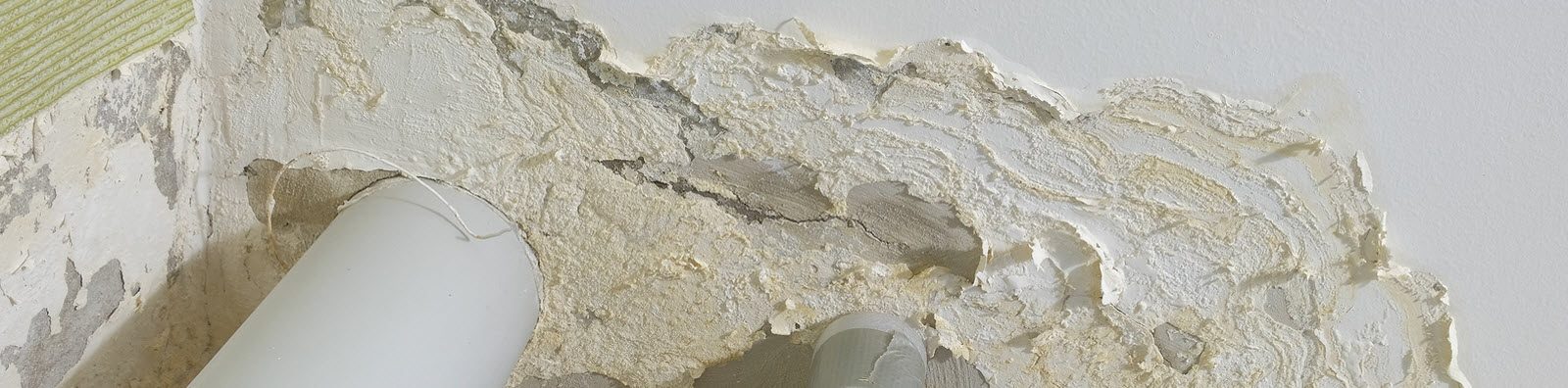
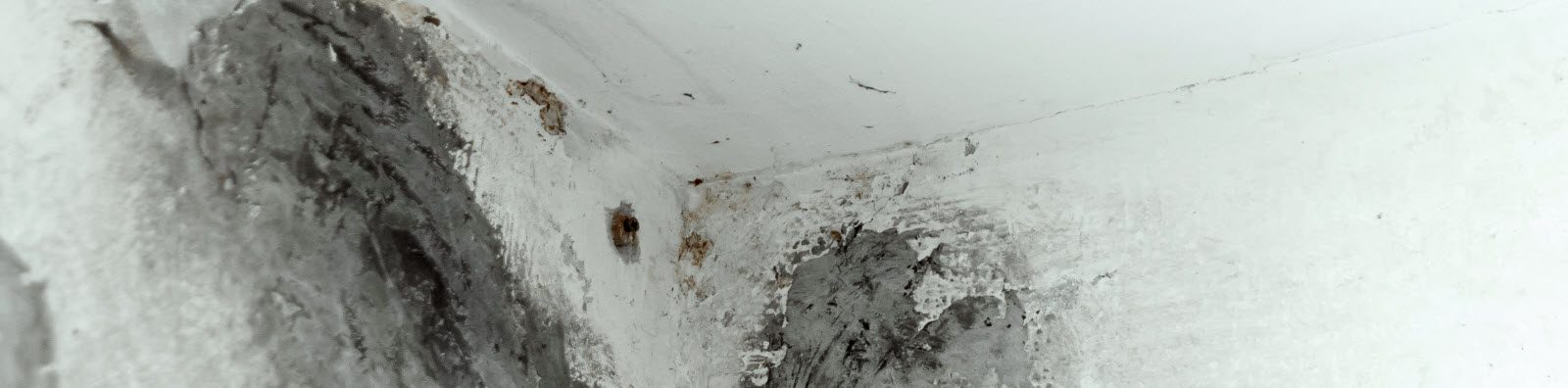
Peeling paint, bubbling drywall, warped flooring, and musty smells may indicate moisture that has not been fully addressed. If these conditions are present before another storm arrives, additional water intrusion could make the damage more extensive. Hidden moisture can also contribute to mold growth when affected materials remain damp. Do not simply paint over water stains or cover damaged materials without identifying the source of the problem.
Take Action Before Storm Damage Happens
Regular property maintenance can help reduce storm-related risks, but no home is completely immune to severe weather. Inspect vulnerable areas periodically and arrange repairs when problems appear.
Flood & Water Damage Restoration in Cleveland, Baytown, Pasadena, Humble, Deer Park, Crosby, Channelview, League City, Pearland, Missouri City, Sugar Land, Cypress, The Woodlands, Spring & Greater Houston, Texas
If a storm damages your roof, breaks windows, or allows water into your home, contact a professional disaster restoration company as soon as it is safe. Prompt cleanup, water extraction, and structural drying can help limit additional damage and support a smoother recovery. Preparing ahead of time and responding quickly after a storm are two important steps toward protecting your home and belongings. Call Disaster Services if you find storm damage has affected your home.
