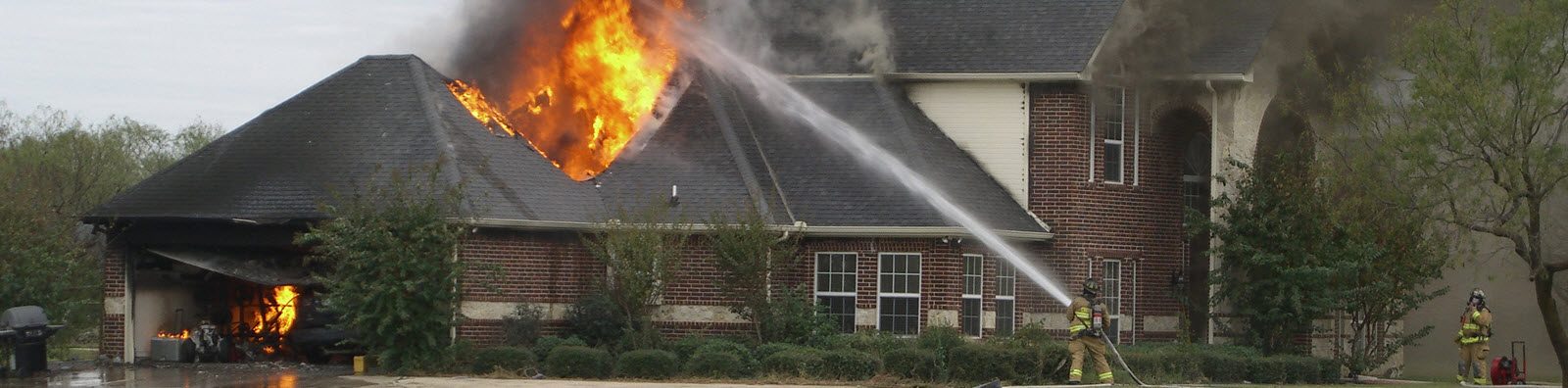
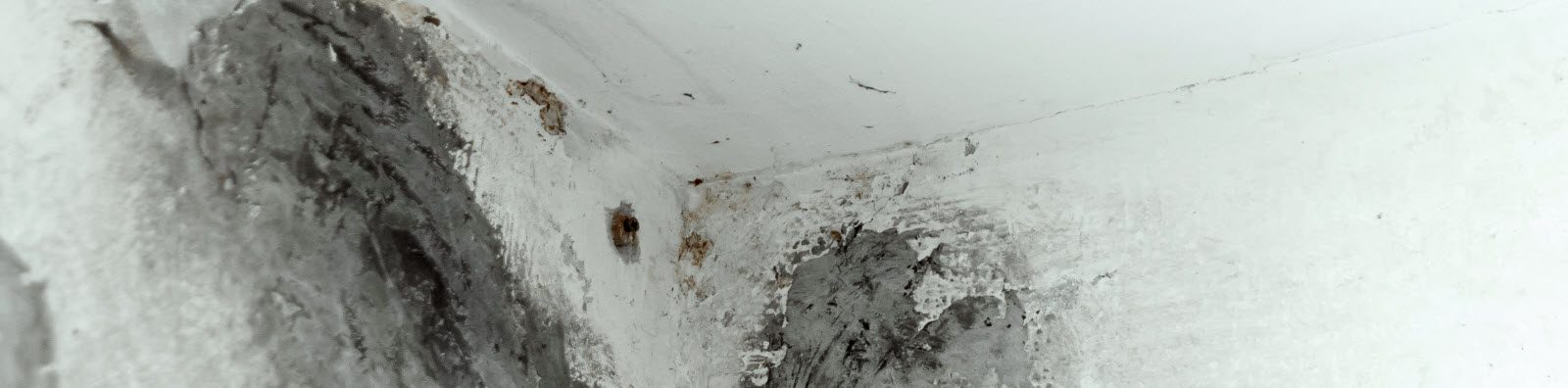
A small kitchen fire is extinguished, but the smell of smoke lingers and dark residue appears on nearby surfaces. Even after the immediate danger has passed, it can be hard to know what to clean first or whether the home is safe to use. Fire damage restoration involves more than removing visible soot. Disaster Services helps property owners address the cleanup and recovery process after fire and smoke have disrupted daily life.
Safety Comes Before Cleanup
Do not enter a fire damaged building until emergency responders or the appropriate authority say it is safe. Structural damage, electrical hazards, and contaminated debris may remain after the flames are out. Even a limited fire can affect areas that appear untouched. If utilities were shut off, have qualified professionals determine when they can be restored. Photograph visible damage when it is safe and follow the insurer’s instructions about documenting losses before discarding affected belongings.
Smoke Can Travel Beyond the Burned Area
Smoke moves through open rooms and may enter ventilation pathways or concealed spaces. Soot can settle on walls and contents far from the original fire. Different materials produce different residues, so the cleanup method must be matched to the contamination. Scrubbing everything with an ordinary household cleaner can sometimes spread residue or damage finishes. Restoration professionals assess where smoke traveled and determine which surfaces can be cleaned and which materials may need replacement.
Water Damage May Be Part of the Job
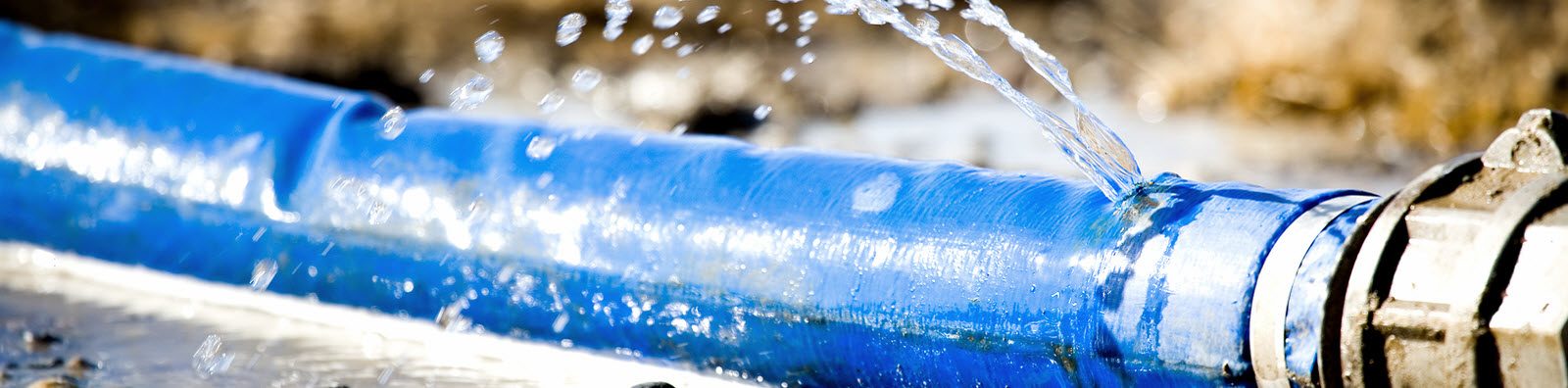
Water used to extinguish a fire can soak flooring, insulation, and wall cavities. That moisture needs attention even when the most obvious damage is from heat or smoke. Restoration teams may remove standing water and use drying equipment while monitoring affected materials. The drying process depends on the construction and how much water entered the space. Ignoring moisture can create additional problems after the visible fire damage has been addressed.
Odor Removal Requires Finding the Source
A room may look clean yet still smell smoky because residue remains in porous materials or hidden areas. Covering the smell with fragrance does not remove the source. Professionals may clean salvageable contents and treat affected surfaces using methods suited to the material. Some items cannot be restored safely or economically. Ask what can be cleaned, what may need replacement, and how the team will evaluate remaining odors before the project is considered finished.
Restoration Often Happens in Stages
After the initial assessment, work may include securing the property, removing damaged materials, cleaning salvageable areas, drying moisture, and rebuilding affected sections. The order depends on the severity of the incident and the building’s condition. Keep copies of estimates and communication with your insurance provider. If the scope changes after concealed damage is found, request an explanation. Knowing the stages helps you plan for temporary disruption and understand why restoration may take longer than expected.
Flood & Water Damage Restoration in Cleveland, Baytown, Pasadena, Humble, Deer Park, Crosby, Channelview, League City, Pearland, Missouri City, Sugar Land, Cypress, The Woodlands, Spring & Greater Houston, Texas
Recovering from a fire is stressful, even when the flames were contained quickly. A careful restoration plan addresses safety and hidden damage as well as what you can see. Contact Disaster Services to discuss fire damage restoration and the next steps for your property. Professional guidance can help you move from uncertainty toward a practical recovery plan. Understanding the process can also make each next decision feel less overwhelming.
